
Conditions Managed
Home / Conditions Managed
- CONDITIONS MANAGED
Our team are highly experienced at managing the following conditions
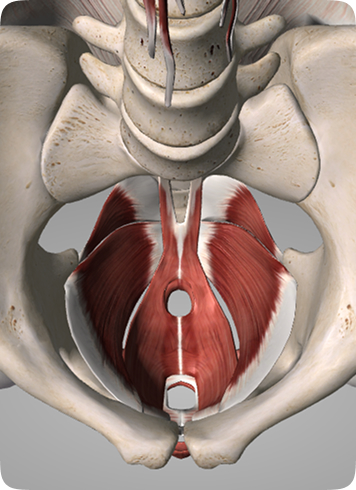
Pelvic floor problems
The pelvic floor muscles sit under your pelvis and provide support for your bladder, bowel and pelvic organs. They play a very important role in your pelvic health.
The pelvic floor muscles can develop weakness due to things like pregnancy, childbirth, surgery, being overweight or straining too much. The pelvic floor muscles can also become too tight, often due to factors like pelvic pain, endometriosis, stress or trauma.
Problems with the pelvic floor muscles are very common and can result in symptoms such as bladder and bowel leakage, frequent urination, difficulty emptying the bladder or bowel property, frequent UTI’s, constipation, haemorrhoids, pelvic pain, prolapse (when one or more of the pelvic organs falls down out of place) and painful intercourse.
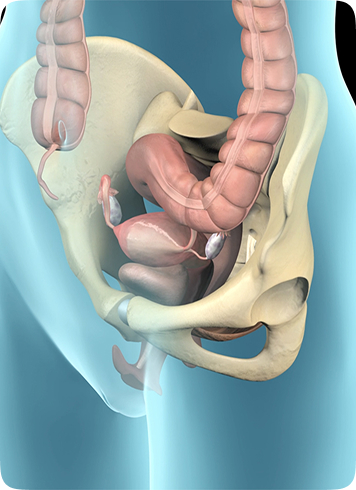
Pelvic organ prolapse
Prolapse, refers to the dropping of one or more of the pelvic organs (bladder, bowel or uterus) into the vaginal space. This is a very common condition estimated to affect up to 50% of women who have had a vaginal birth. Some of the symptoms of prolapse include vaginal heaviness or a dragging sensation, a vaginal lump or bulge, difficulty with the bladder and bowels or discomfort with intercourse. Sometimes you may have a prolapse and not have symptoms. In this case, it is important to make sure that your pelvic floor muscles are working correctly to prevent worsening of prolapse.
Most mild to moderate prolapses can be managed successfully with pelvic floor physiotherapy. At Lift Pelvic Physiotherapy our team have expert experience in managing prolapse and can offer tailored solutions including pelvic floor exercise therapy, exercise advice and pessary fitting.
A pessary is a silicone device that is worn within the vagina and acts like a splint. Pessaries are an excellent way to help support a prolapse. Think of them like a support bra for your pelvic organs! Our pelvic physiotherapists are experienced in prescribing, fitting and managing a wide range of different pessaries for vaginal prolapse. Even severe prolapses can often be managed well with a pessary.
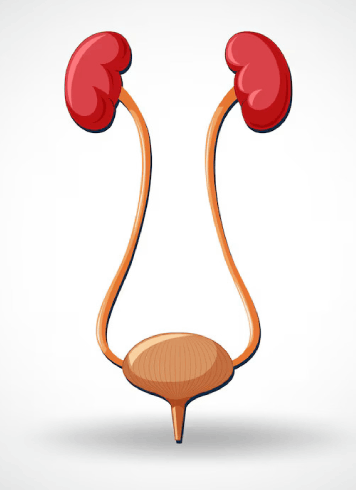
Bladder issues
Problems with the bladder are very common and can interfere with quality of life. It is estimated that 30-40% of women and 10% of men will experience problems with bladder control across their life time.
Common problems with the bladder include:
- Leakage of urine with coughing, sneezing or exercise
- Urgency to get the the toilet and leakage on the way
- Frequent need to visit the toilet for a wee
- Difficulty with emptying the bladder fully
- Pain in the bladder or with emptying the bladder
- Recurrent UTI’s
Our physio team at Lift Pelvic Physiotherapy can assist in assessing and treating bladder issues and helping you improve your quality of life.
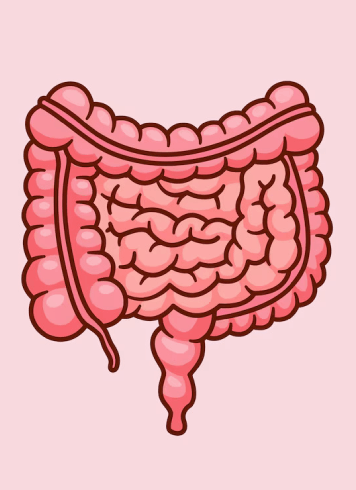
Bowel issues
Problems with the bowels are also common, with bowel control problems affecting 1 in 20 Australians. Bowel issues can be embarrassing and cause a lot of distress. At Lift Pelvic Physiotherapy, we can provide assistance in the treatment of the following bowel conditions:
- Constipation
- Haemorrhoids and anal fissures
- Incomplete bowel emptying
- Bowel leakage
- Recovery following bowel surgery
Pain with intercourse
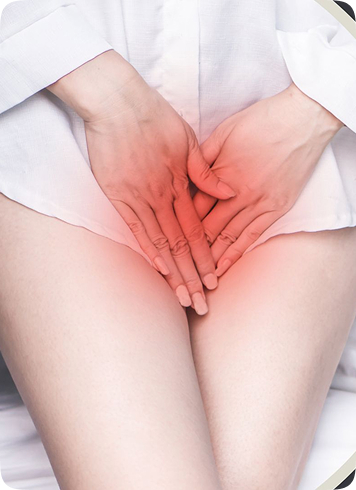
Painful sexual intercourse (or dyspareunia) is a common issue affecting approximately 50% of women during their lifespan. It is a concerning problem that can have a big impact on a woman’s sexual health and relationships. Pain with intercourse is not normal and pelvic physiotherapy can help!
Many factors can contribute to painful intercourse across the lifespan. Some women develop pain following childbirth or during menopause, whilst others have dyspareunia due to conditions like endometriosis.
Much of the time, painful intercourse is related to tight and tender pelvic floor muscles. When a muscle is tight and not able to relax, it can get painful. A condition called vaginismus is where the pelvic floor muscles tighten involuntarily on attempted insertion – causing tightness and pain.
Our pelvic physiotherapy team can assess your pelvic floor and provide you with individualised strategies to manage pain with intercourse. We are experienced in the prescription of appropriate exercises as well as dilator therapy.
Pelvic pain
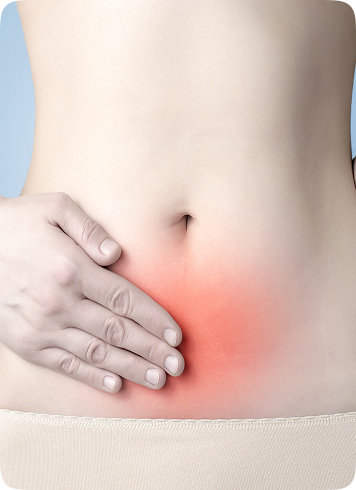
Pelvic pain can affect people of all ages and genders. The term refers to pain in the pelvic area (below the belly button) or in the genitals. Pelvic pain can be very distressing and have a huge impact on quality of life. It can occur as a result of an injury like a fall on the tailbone, it can occur secondary to a condition like endometriosis, or it can have no known cause.
Our physiotherapists are skilled at providing support for patient with all types of pelvic pain. Common conditions that we treat are:
- Endometriosis
- Coccyx (tailbone) pain/ coccydynia
- Pudendal neuralgia
- Vulvodynia
- Levator Ani Syndrome
- Bladder pain syndrome (PBS) or Interstitial Cystitis (IC)
- Irritable bowel syndrome (IBS)
- Prostatitis